
Yesterday, the Labour government announced an “overhaul” of the current leasehold system in England and Wales. The overhaul moves to:
- Give more power to the buyers of flats.
- Enable unit owners to manage their buildings automatically, without need to go through the Right to Manage process.
- Create a fairer legal system.
- Identify ways the government can make it easier for leaseholders to hold freeholders and unprofessional managing agents to account.
- Make commonhold the “default tenure before the next election” in 2029.
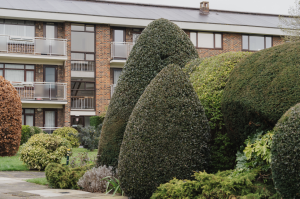
The Current Leasehold System
Under the current Leasehold system, leaseholders own the right to use their property for a period of time and pay ground rent to a freeholder for that right. They do not own any of the land or the property on that land: They are, essentially, buying a contract.
This system is unique to England and Wales, and a remnant of medieval feudalism – it treats Leaseholders as “tenants” and limits their ability to control their developments.
If Leaseholders wish to gain control, they must either:
- Purchase the freehold.
This can be costly and only be achieved if the freeholder wishes to sell the freehold. Additionally, leaseholder(s) need to have had their leases for more than two years to extend their lease or buy the freehold.
2. Go through the Right To Manage process, which is limited to those blocks meeting the specific conditions set.
The system has historically led to a motley of unique leases, complicating management and the ability to uphold a lease effectively. Every flat in a block might have different rights and obligations under their lease, and many leases need to be more specific, leaving too much room for interpretation where vagueness exists in the lease covenants.
In total, there are around five million leasehold properties in England and Wales – this change cannot be rushed and all legislation must be carefully administered to ensure that no-one is left behind.
What does the new system mean?
The new “Commonhold” system, already in practice for a minority of newer apartment blocks, gives people ownership of their flats without an expiring lease. This means:
- The status of people buying commonhold flats changes to “owners” rather than “leaseholder tenants” – they are buying property, not a contractual right to use the property as the freeholder dictates.
- Unit owners get more control over the management of their units and can, therefore, move to keep their homes better maintained.
- “Ground rents” may end as a concept – they will certainly be restricted in new buildings. Ground rents can add hundreds to leaseholders’ living expenses yearly for no tangible return.
- Unit holders’ central rights and obligations are standardised across every commonhold unit, which will aid the management of the blocks.
This reform is well overdue. According to the National Leasehold Campaign, too many buyers do not understand the concept of leasehold and what it means to purchase a leasehold property.
A lack of transparency around leaseholds can feel like a trap, creating frustration for leaseholders, management companies and those agents who wish to act in the best interests of their clients but find their time diverted towards helping Leaseholders understand their lease obligations.
Whilst stakeholders in Leaseholder reform are urging the government to move quickly on the overhaul, the details of the reform require greater scrutiny regarding how it could affect – or fail to help – existing leaseholder-owned freeholds and RMCs (right to manage companies).
Jennings & Barrett Director, Joanna Bould, says:
“Leasehold reform is positive. We need to move away from the outdated system of freeholds and get a wider adoption of the commonhold system that enables people to truly take ownership of the units they buy. The clarity that the commonhold system provides will create a fairer system for people living in flats.
However, this needs to coincide with better regulation of other parts of the sector – we look to organisations such as TPI, who are leading the push for regulatory reform efforts and will no doubt be part of the upcoming consultation on banning new leaseholds.
The lack of regulation enables unscrupulous players to take leaseholders for granted. It leads to vast mismanagement and poor maintenance of homes across the country whilst damaging the reputations of the industry as a whole.
We are keen to hear about how existing leaseholders and RMCs will be grandfathered into the new legislation to ensure they’re not left behind as the property sector democratises. Some parts of the legislation require further nuance to protect leaseholders and commonhold owners, for example, during leaseholder defaults and the resulting costs. We are keeping an eye on the details as the government reveal them.
Overall, we want better terms for unit owners, higher professional standards for managing agents, and greater industry regulation.”
The timeline now set by the government dictates that:
- Early 2025: Scrapping of the “two year rule” which prevents leaseholders from extending their lease or purchasing the freehold within the first two years of occupping their units.
- Spring 2025: The government will move to extend the Right to Manage process and enable more leaseholders in mixed-use blocks to take control of their management. Leaseholders will no longer have to pay their freeholder’s costs if freeholders make a claim against them.
- Autumn 2025: An outline of the banning of new leaseholds will be published.
Are you looking for more control over the management of your development? Whilst Commonhold is taking time to become the standard, you may still be able to benefit from the Right to Manage process. Contact us today for recommendations on how to get started.